The Essence of High-End Furniture
Understanding Luxury Through Materials, Craftsmanship, and Design
4/10/20264 min read
Defining High-End Furniture
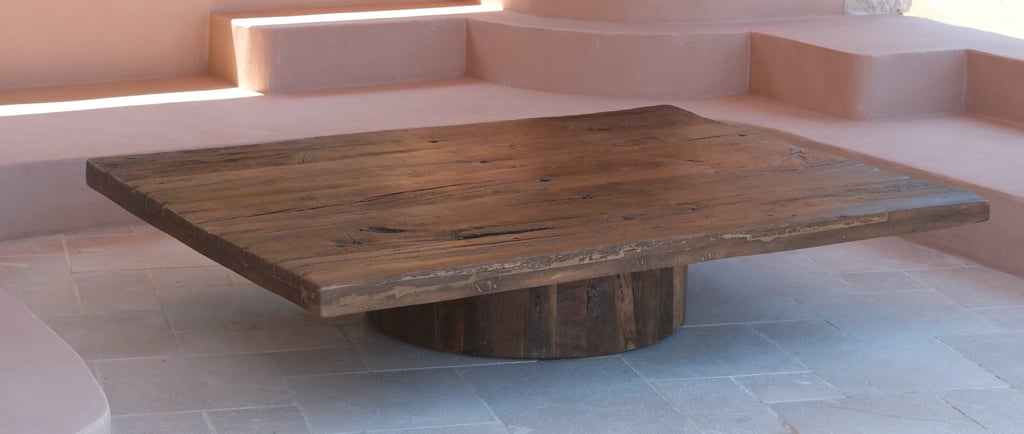
High-end furniture is characterized by its exceptional quality, which significantly transcends the standards typically found in mass-produced options. The creation of high-end pieces involves a meticulous focus on both the materials utilized and the craftsmanship that goes into their assembly. Unlike standard furniture, high-end items often incorporate premium materials such as solid hardwoods, luxurious textiles, and high-grade metals, ensuring durability and longevity. Such materials not only contribute to the overall aesthetic but also enhance the tactile experience, creating pieces that are as pleasing to the senses as they are functional.
Moreover, the craftsmanship associated with high-end furniture plays a pivotal role in distinguishing it from more commonplace product offerings. Artisans often employ traditional techniques handed down through generations, which allows for intricate detailing and customized features that are seldom found in lower-priced alternatives. This dedication to craftsmanship ensures that each piece is not only a functional item but also a work of art, embodying unique design elements that reflect the creator's vision.
Aesthetic appeal is another core characteristic of high-end furniture. These pieces are designed to be more than mere utility items; they aim to bring elegance and sophistication to the spaces they inhabit. The emphasis is placed not just on visual beauty but also on seamless functionality, allowing the design to serve its purpose while enhancing the overall atmosphere of a room. In contrast to standard options, high-end furniture is created with an architectural insight that harmonizes form and function, ensuring that while it captivates the eye, it does not sacrifice practicality.
Materials That Make a Difference
Luxury furniture is characterized not only by its exquisite design and craftsmanship but also by the exceptional materials that constitute it. Various materials play a critical role in defining the quality, durability, and aesthetic appeal of high-end furniture. Among these, rare woods such as mahogany, walnut, and teak are often favored for their rich grains, color variations, and longevity. These woods are sourced sustainably and often treated to enhance their natural beauty and resistance to wear. The unique characteristics of each type of wood allow for an array of finishes, contributing to the overall elegance of a piece.
In addition to wood, metals such as brass, stainless steel, and bronze are frequently incorporated into luxury furniture designs. These materials offer structural integrity while also adding a contemporary touch. For instance, brass accents can lend a warm glow to furniture pieces, creating a sophisticated contrast with the organic textures of wood. The use of metals not only elevates a design but also enhances functionality, contributing to the stability and longevity of the furniture.
High-end furniture also embraces textiles, with luxurious fabrics like silk, leather, and high-thread-count cotton being popular choices. These materials not only provide comfort but also add layers of visual interest. Leather, often used in upholstery, is prized for its durability and ease of maintenance, making it an ideal choice for both modern and classic designs.
Lastly, the rising trend of sustainability has led to the incorporation of eco-friendly materials in luxury furniture. Bamboo, reclaimed wood, and organic fabrics are being embraced not only for their environmental benefits but also for their unique aesthetics. Sustainable materials bring a contemporary edge to luxury designs, allowing consumers to enjoy opulence with a conscience.
The Art of Craftsmanship
Craftsmanship is an integral aspect of high-end furniture that elevates it far beyond mere utility. At the core of luxury furniture production lies a meticulous process where artisans pour their expertise and passion into every piece. The artistry involved in the creation of high-end furniture not only showcases extraordinary skills but also emphasizes the importance of handcrafted techniques. Each chair, table, or cabinet designed with precision and care exhibits a level of detail that mass-produced items simply cannot replicate.
Artisans dedicated to the craft spend years honing their skills, often trained under a lineage of craftsmen or in specialized schools. This knowledge and experience allow them to select the best materials and apply techniques that enhance both aesthetics and functionality. The relationship between the craftsman and the material they work with is profound, as the artisan understands the nuances of wood grain, textile behavior, or metal properties, facilitating the creation of unique designs that celebrate the inherent beauty of these materials.
The attention to detail involved in high-end furniture craftsmanship manifests in various elements such as joinery, finishing techniques, and the overall design. For instance, the strength of a dovetail joint not only supports the structural integrity of a piece but also speaks volumes of the craftsmanship involved. Moreover, luxury buyers appreciate the longevity provided by such skilled craftsmanship, as these meticulously crafted items endure the test of time, both in physical durability and timeless aesthetic appeal.
In conclusion, the art of craftsmanship is a defining characteristic of high-end furniture that fosters uniqueness and longevity while catering to the discerning tastes of luxury buyers. The nuances of handcrafted processes, combined with an artisan's expert touch, create an extraordinary experience that resonates deeply with those who appreciate the finer aspects of life.
Timeless Design Principles
High-end furniture is often characterized by its adherence to timeless design principles that transcend fleeting trends. These principles are integral in crafting pieces that not only highlight luxury but also stand the test of time. One key element in timeless design is proportion; a well-proportioned piece creates a sense of harmony that resonates with the human eye, ensuring that it remains visually appealing across different settings.
Another essential principle is balance. Furniture that achieves visual balance can enhance a room's aesthetic appeal, creating an inviting atmosphere. This can be seen in classic designs where symmetrical arrangements are favored, lending themselves to a sense of stability. High-end furniture, with its meticulous craftsmanship, often exemplifies these balancing acts in its shapes and structures, making them focal points in various interior styles.
Symmetry plays a vital role in the lasting appeal of luxury furniture. It not only contributes to the elegance of a piece but also ensures that the design can be effortlessly integrated into diverse environments, from traditional to contemporary interiors. The classic lines and forms of high-end furniture allow it to maintain its relevance regardless of the prevailing trends, making it a worthy investment for homeowners.
The adaptability of timeless designs means they can complement various interior styles. Whether placed in a minimalist room or a classic setting filled with ornate details, high-end furniture holds its ground, elevating the overall decor. The enduring essence of such pieces is not just in their materiality or craftsmanship but also in their ability to resonate with timeless design principles, creating a cohesive look that transcends temporal boundaries. These fundamental elements ensure that high-end furniture remains a cherished part of any home, regardless of changing fashions.